
DLIP
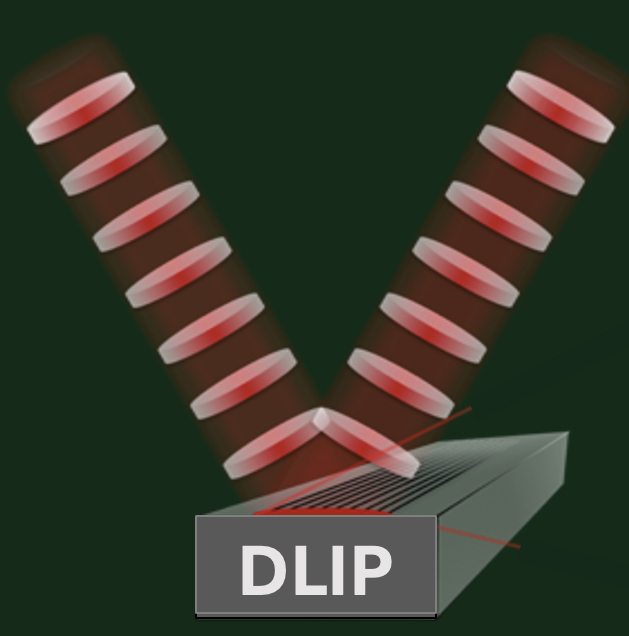
Direct Laser Interference Patterning (DLIP) is an advanced laser-structuring technology that uses the physical principle of interference - allowing precise and reliable surface functionalization for relevant applications .
Powered by Light
How it works
The Surface Revolution
DLIP represents the base technology base to a new generation of functional surfaces. It creates reproducible structures at unprecedented speed - physically precise, gentle on materials and fully scalable for industrial use. DLIP forms the foundation of the SurFunction platform - and the origin of a new era of programmable, functional metasurfaces.
Physical Principle
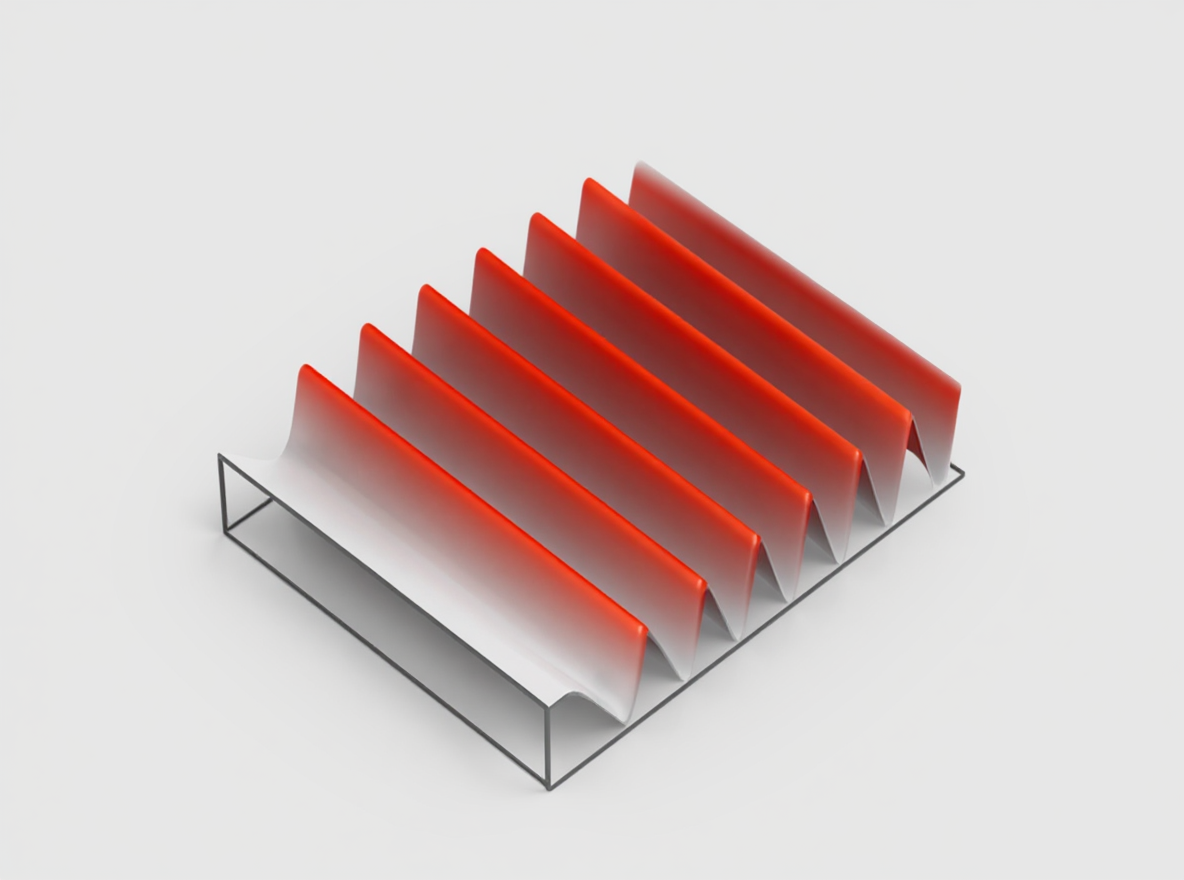
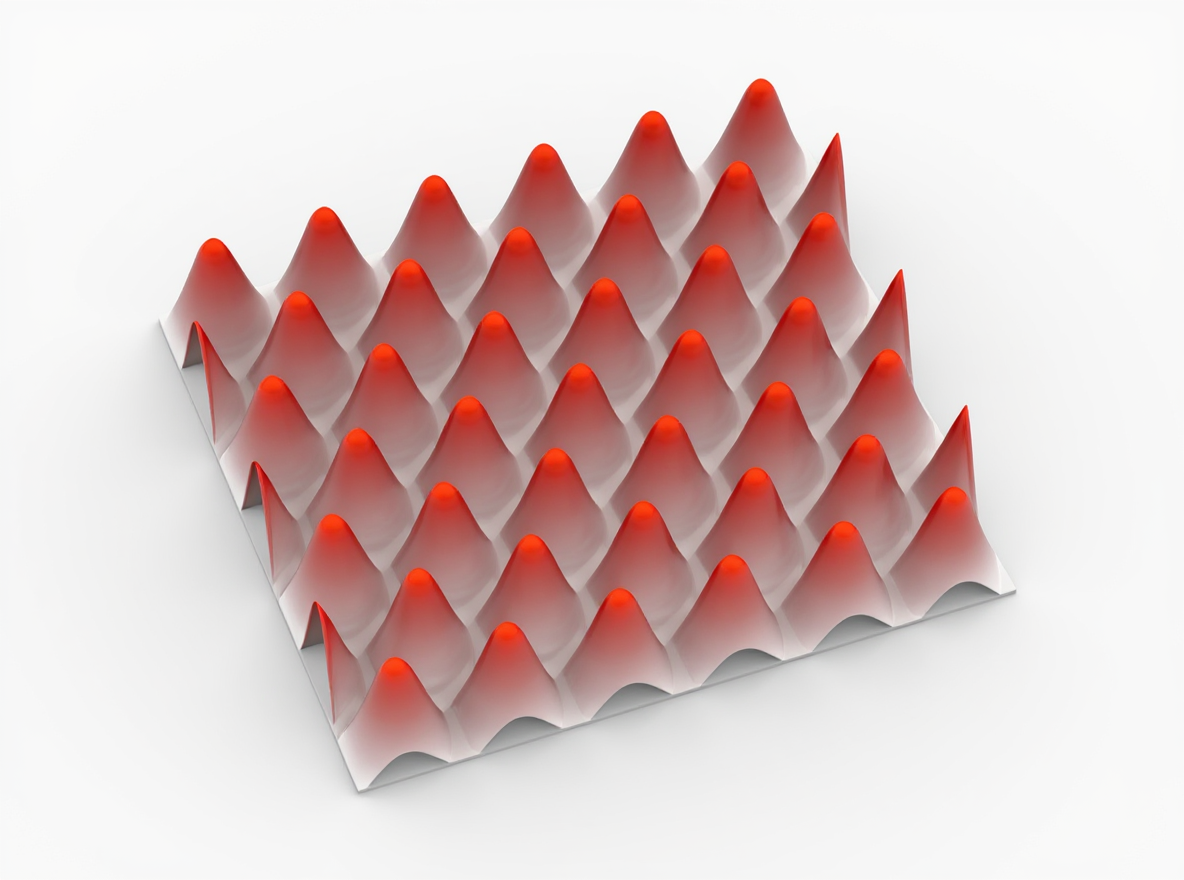
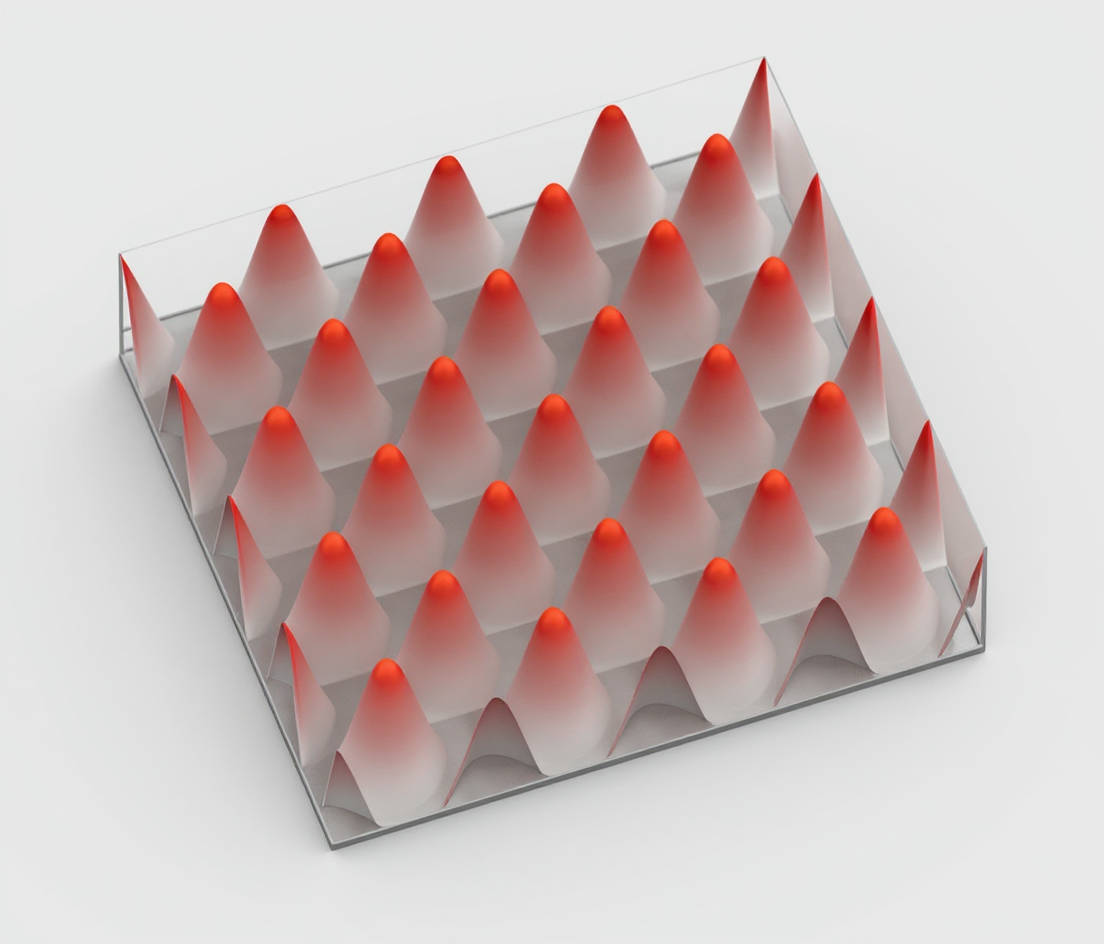
DLIP uses interference of two or more laser beams to generate a periodic intensity pattern on the surface. This pattern is transferred directly into the material - without masks, additives or chemical processing. Core parameters include the number of beams, the pattern geometry and structure sizes in the sub-micrometer range.
Process Characteristics
DLIP is a purely physical process with no deposition, masking or coating. It delivers highly reproducible results with exceptional depth of field and minimal thermal load. Material integrity remains fully preserved while achieving maximum precision and efficiency.
Material Diversity
DLIP works on virtually all material classes - metals, polymers, glasses and ceramics.
By tuning the laser wavelength from UV to NIR, the process is adapted precisely to the material’s absorption behavior.
This enables new design freedom for functional surfaces across multiple industries.
Functional Effects
DLIP imparts surfaces with durable, deterministic and precisely controllable properties.
It enables engineered effects such as reduced friction, antibacterial performance, anti-stick behavior, optical encoding and improved conductivity.
Light becomes a direct source of functional performance.
Expanding DLIP
Expanding Surface Functionality